Population shifts towards “connected” regional areas add pressure to housing supply and local services

Regional Australia’s population has moved beyond 10 million, with Western Australia recording the fastest growth among the states’ regional areas, according to new Australian Bureau of Statistics (ABS) figures and analysis by the Regional Australia Institute (RAI).
The ABS Estimated Regional Population (ERP) release published last week shows the combined regional and remote population rose 1.1% in 2025 to 10.02 million, up from 9.91 million in 2024. The data also indicates a 6.3% rise since 2020.
The RAI’s examination of local government area (LGA) movements found regional Western Australia expanded by 1.9% in 2025, the highest rate among the regions. Tasmania recorded the lowest regional growth at 0.3%. Perth also led the capitals, growing 2.4% over the same period.
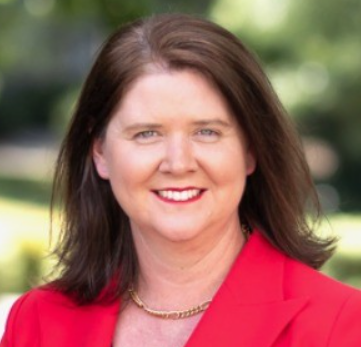 “Digging into this data gives us a better understanding of what is happening in the regions,” said Liz Ritchie (pictured right), chief executive of the Regional Australia Institute.
“We see Western Australia dominating our table of top 10 regional LGAs by growth rate – with Serpentine-Jarrahdale with its natural beauty and closeness to Perth leading the way with 4.5% growth, this is well above the metropolitan average growth rate of 1.8%. This shows the value Australians place in the benefits of a regional lifestyle, while still needing the amenities that being close to a major city provides
“These smaller centres, close to major cities – we call these Connected Lifestyle Regions – have seen bigger growth rates than major metropolitan centres (8.7% versus 8.5%) over the last five years.”
Outside Western Australia, only two LGAs entered the top 10 regional growth list: Mitchell in Victoria (4.2%) and Adelaide Plains in South Australia (3.8%). Both are within commuting distance of their state capitals.
| Top 10 regional LGAs by growth rate* (1 year growth rate) | |||||
|---|---|---|---|---|---|
| LGA name | State | RAI type | 2024 | 2025 | 1yr |
| Serpentine-Jarrahdale | Western Australia | Connected Lifestyle Area | 38793 | 40531 | 4.5% |
| Mitchell | Victoria | Connected Lifestyle Area | 56079 | 58459 | 4.2% |
| Murray | Western Australia | Connected Lifestyle Area | 20633 | 21447 | 3.9% |
| Dandaragan | Western Australia | Heartland Region | 3935 | 4089 | 3.9% |
| Chittering | Western Australia | Connected Lifestyle Area | 6778 | 7039 | 3.9% |
| Adelaide Plains | South Australia | Connected Lifestyle Area | 11307 | 11736 | 3.8% |
| Augusta Margaret River | Western Australia | Heartland Region | 19488 | 20170 | 3.5% |
| Gingin | Western Australia | Connected Lifestyle Area | 6364 | 6585 | 3.5% |
| Mandurah | Western Australia | Regional City | 103346 | 106827 | 3.4% |
| Toodyay | Western Australia | Connected Lifestyle Area | 5098 | 5251 | 3.0% |
| Source: Australian Bureau of Statistics. *Darwin Water Precinct had the highest growth rate but was removed as it is a statutory authority with a population of 352 | |||||
Ritchie pointed out that growth rates highlight the fastest-expanding areas, while headcount changes show where the largest numbers of people are being added.
“When we look to population growth, many of these regions are reflected in our Regional Movers Index, the latest report was released just last week,” she said.
“We know the Gold Coast (annual change: 11,944 people) is popular with capital city movers, while our perennial favourites across the board – the Sunshine Coast and Greater Geelong are second and third by annual change in population numbers. Fraser Coast and Lake Macquarie also rate a mention in the top 10.”
Ritchie said the results strengthen the case for a national approach to planning for population changes, with funding directed to growth corridors to support housing, infrastructure and community services.
“We know regional Australia is growing, we have had evidence of that going back well before the COVID-19 pandemic,” she stressed. “Now we need to support those communities to grow and prosper as Australians vote with their feet and move out to the regions.”
“The regional renaissance shows no signs of slowing down, we know more than one third of city dwellers are considering a regional move and we know why – housing affordability, cost-of-living pressures and the chance to get back to nature.
“We need governments to keep pace with what Australians already understand - regional living is a genuine and desirable choice. Our focus should be on making it possible for people to live where they want, without compromising access to essential services and amenities.”
This, Ritchie said, is the goal of RAI’s Regionalisation Ambition, which is built around 25 targets across six pillars from liveability, health and jobs and skills, as well as population.
“Each year, we measure the progress of each target with the objective of rebalancing the nation,” she explained. “We continue to see progress, but it’s slow progress and we are ambitious for the regions.
“Australians are choosing the regions for the life they offer, and we will continue to work to ensure those regions have what they need to thrive — because when regions thrive, Australia does too.”
Want to be regularly updated with mortgage news and features? Get exclusive interviews, breaking news, and industry events in your inbox – subscribe to our FREE daily newsletter. You can also follow us on Facebook, X (formerly Twitter), and LinkedIn.