
A pause is widely anticipated, but the central bank's accompanying statement could shift expectations for rates and the housing market

The Reserve Bank of Australia (RBA) is widely expected to leave the cash rate unchanged at its meeting today, following three consecutive increases earlier this year that have fully reversed the easing delivered in 2025.
With the rate decision itself largely a foregone conclusion, attention will fall on the wording of the accompanying statement and what it implies for the path ahead, according to Domain.
The RBA has moved into a more cautious, data-dependent phase, the property listing firm notes, and the question for policymakers has shifted from how much further tightening is required to whether the increases already delivered are sufficient, as their effects continue to flow through household finances, borrowing capacity and broader demand.
Recent economic data supports that assessment. The unemployment rate has risen to 4.5%, above the RBA's own projections, and employment fell in April — early indications that higher rates are beginning to constrain activity. Inflation, however, remains above target, leaving the Bank navigating the competing pressures of price stability and slowing growth.
In its May statement, the RBA noted that "having raised the cash rate three times, monetary policy is well placed to respond to developments." Whether that language is retained or softened in June will be read as a signal of the Bank's openness to further tightening, or its readiness to hold for an extended period.
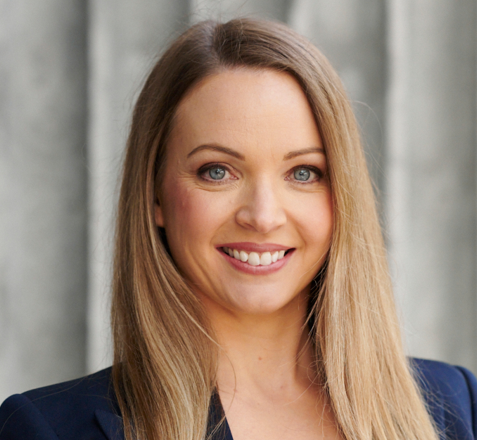 For Domain's chief residential economist, Nicola Powell (pictured right), the meeting's significance lay less in the decision and more in the forward guidance.
"The June meeting is less about the decision itself and more about what comes next," Powell said. "A pause is widely expected, but the tone of the RBA's communication will shape expectations for both interest rates and housing market conditions through the remainder of 2026.
"The RBA has already delivered a sharp adjustment, lifting rates three times in five months and returning policy to restrictive settings. This has materially reduced borrowing capacity and is feeding directly into softer housing demand, particularly in more interest-rate sensitive markets like Sydney and Melbourne.
"We are now starting to see clearer evidence of that. The lift in unemployment alongside a fall in employment points to a gradual cooling in labour market conditions and reinforces that tighter policy is gaining traction across the economy."
According to Powell, how the Bank balances these competing pressures will be critical, not just for monetary policy, but for housing market confidence and activity over the next six to 12 months.
"The language in tomorrow's statement will be key," she reiterated. "If the RBA maintains its current guidance, it suggests it is keeping the option open to move again if needed. A softer tone would signal greater confidence that policy is already sufficiently restrictive and that the focus has shifted to monitoring the impact.
"From a housing market perspective, this transition matters. After a period of strong growth, higher borrowing costs have already slowed price momentum, reduced purchasing power and shifted buyer behaviour. A prolonged pause would reinforce a period of consolidation, while any signal of further tightening would add to downside risks.
"Ultimately, the decision marks a turning point in the cycle. The RBA has done a significant amount of heavy lifting, and there is still more of that tightening flowing through the economy. What happens next will depend less on the level of rates and more on how the Bank responds to the evolving balance between inflation and growth."
Want to be regularly updated with mortgage news and features? Get exclusive interviews, breaking news, and industry events in your inbox – subscribe to our FREE daily newsletter. You can also follow us on Facebook, X (formerly Twitter), and LinkedIn.


