Brokers discuss how they scale up through outsourcing while ensuring offshore teams feel part of the crew

As outsourcing becomes entrenched in mortgage broking, brokerages are grappling with how to seamlessly plug offshore teams in the Philippines, Vietnam, Nepal and other hotspots into their domestic operations.
Offshore teams are no longer stuck on low‑value tasks – they’re now central to how brokerages run. And that shift has only accelerated since the COVID‑19 pandemic tore up the script on remote work.
MPA sat down with some of Australia’s leading mortgage professionals to discuss how their relationships with offshore teams are evolving.
Post-pandemic blow-up
Mhairi MacLeod (pictured, top), founder and principal of New South Wales-based brokerage Astute Ability Group – and MPA Elite Women inductee – was already working with offshore teams via Zoom before COVID-19, so the shift to fully virtual work hit her less from a tools perspective and more from a people and expectations angle.
The pandemic created a “seismic” change in how her Australian staff worked and collaborated with their offshore counterparts, and she had to educate them on the new norm of virtual workflows and remote collaboration.
Outsourcing really ramped up towards the end of the pandemic, recalls MacLeod. “And I had a big restructure in my own business, which made me put on more offshore teams.”
She now has seven offshore staff and uses them heavily, particularly in operations and processing work.
MacLeod uses Fijian offshore teams very intentionally because she finds them highly personable, courteous and strong communicators. For her, that “bedside manner” is critical: they can comfortably speak to clients, accountants and other stakeholders, not just sit in the back office.
Christian Stevens says it is important to build infrastructure early with a focus on scale and consistency.
“For every $100 million in settlements, you need roughly three to four highly capable team members behind the scenes, depending on the type of clients, loan sizes and complexity,” explains Stevens. “If you don’t build that properly, you cap your growth pretty quickly.”
The ‘FlintEngine’, as Flint’s Nepal team is called, currently comprises over 70 staff members across credit, loan processing, compliance, media, AI and operations.
Part of the team
MacLeod invests heavily in keeping her offshore team feeling like part of the Australian business.
She flies her Fijian team to Australia at least once a year for shared experience – celebrations with lender partners and aggregators, cultural exchanges (like kava ceremonies) and even a Sydney Harbour Bridge climb.
She also recreates Australian culture in Fiji (e.g. Australia Day parties with lamingtons, meat pies, flags and T‑shirts) and includes other offshore teams working for Australian brokers so there’s a sense of community and fun.
MacLeod believes you can “be anywhere in the world and make things happen” – but you must actively recreate teamwork.
Her big lesson from running offshore and hybrid teams is that virtual tribes still need human connection.
Read more: Mortgage brokers warned of mounting risks in outsourcing industry
The traditional in‑office team structure is hard to replicate online, so she consciously engineers moments of interaction, celebration and shared culture to stop the “art of teamwork” being lost in a purely virtual, offshore-driven model.
The team at national mortgage brokerage Flint recently packed their bags and headed off to the Himalayan nation of Nepal, which has a thriving outsourcing industry.
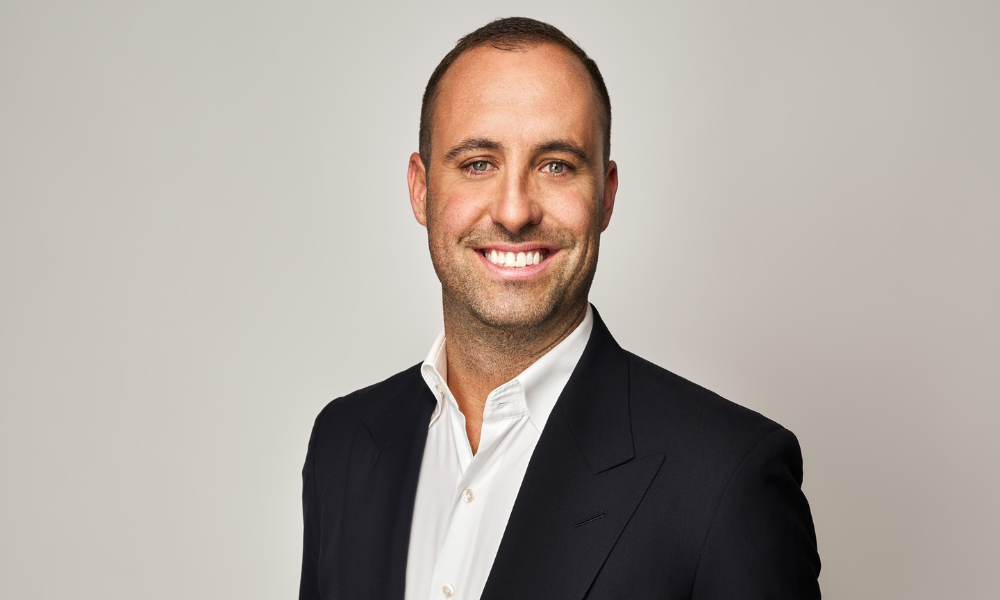
“The biggest thing for me was seeing the maturity of the operation up close,” says Stevens (pictured, above). “But equally, it was just great to spend quality time with the team in person. You build strong relationships day to day over calls and messages, but being there face to face gives you a completely different perspective.”
Flint ran a full team town hall to walk through its plans for the year ahead, covering how the business is scaling and what that means from a career perspective.
“The engagement from the team was strong – they’re thinking long term, not just about the role they’re in today,” says Stevens.
For Flint managing director Redom Syed, the biggest takeaway was connection. “You can have great systems and communication, but being in the room together changes everything. It builds trust faster, aligns people to the mission and lifts standards naturally.”
It reinforced that culture isn’t built through messages, “it’s built through shared experiences, purpose and feeling part of something bigger”, adds Syed (pictured, below).
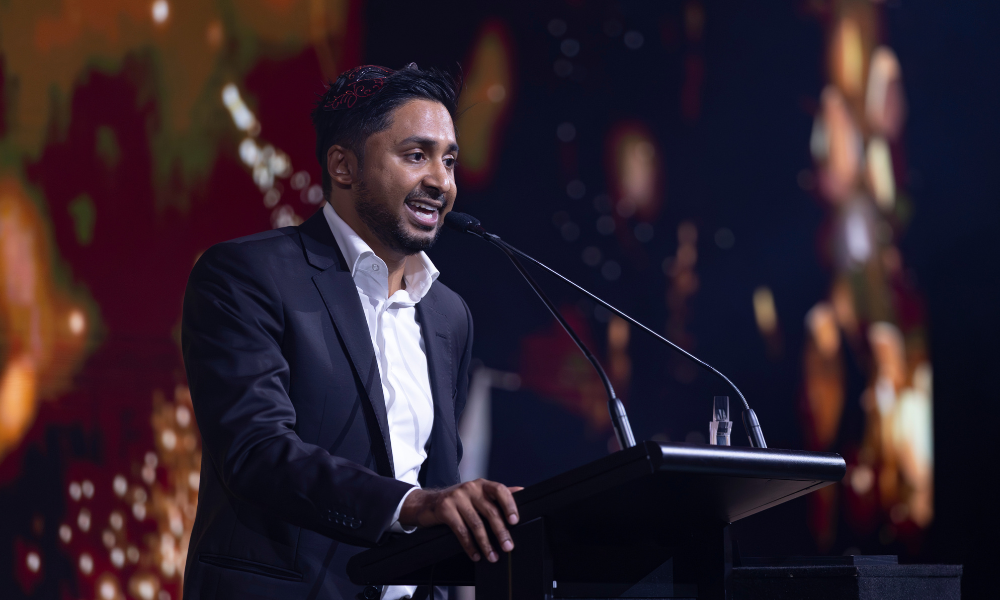
It was important to ensure every team member knew their role – from credit documentation and loan processing to compliance and leadership – and how these roles fit into the wider company vision.
Flint’s trip to Nepal also sparked the revelation that the team had outgrown its current office; the group is now seeking a larger space to support further growth.
“From a culture perspective, it’s very focused and performance driven, but still collaborative,” says Stevens. “There’s a real sense of pride in the work they’re doing.”
Although time and spatial differences represent logistical challenges, they can also be used to an advantage.
“The (Nepal) team starts earlier, so there’s already momentum in the pipeline before the onshore team begins their day,” says Stevens.
“Because we operate as one team, not two separate groups, most of the typical offshore issues don’t really show up,” adds Syed. “It’s more about togetherness and clarity than managing distance.”
Offshore teams becoming bigger and better
Offshoring teams have become more advanced in terms of what they can handle, and the gap between onshore and offshore capability has narrowed.
Early offshore models were largely limited to basic, rules‑based processing: data entry, document collection and checklist tasks. Today, many offshore staff operate as true extensions of the onshore team.
At Astute Ability, some offshore team members are purely process-driven, handling back‑end document collection and checking.
Alongside that, MacLeod has a more “sophisticated” offshore operations team that handles communication, organisation and relationship work. “They can talk to the people that I need them to organise things for,” says MacLeod.
She stresses that you have to build your offshore team for specific purposes, rather than treating all offshore roles as generic admin.
The offshore role has “evolved significantly”, says Stevens.
“When I first started offshoring around eight years ago, it was largely admin focused. That’s completely changed. Now, with the right training and structure, offshore teams can handle complex, high-value work across the entire lifecycle – including credit support, deal structuring assistance, submissions and post-settlement.”
Syed adds: “The level of talent, especially in credit, is very high now. Our credit analysts are operating at the same level, and in some cases higher, than the Australian workforce.
“It’s moved well beyond admin. They’re doing real, high-value work that directly impacts outcomes.”