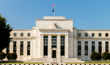
Minutes from latest meeting show several central bank decisionmakers still favor cuts

The Federal Reserve is keeping its options open as geopolitical tensions and uneven economic data complicate its next move, with policymakers still leaning toward rate cuts later this year but stopping short of committing to a timeline.
Minutes from the March 17–18 meeting show officials expect borrowing costs to come down eventually—provided inflation eases as projected—but acknowledge that risks tied to the Middle East conflict and trade policy could shift that path.
“Many participants judged that, in time, it would likely become appropriate to lower the target range for the federal funds rate if inflation were to decline in line with their expectations,” the minutes said.
For now, the Federal Open Market Committee voted 11-1 to leave rates unchanged at 3.5% to 3.75%, reflecting a broader agreement to wait for clearer signals. The median outlook continues to point to a single rate cut this year, unchanged from December projections.
What has changed is the level of uncertainty surrounding that outlook. Policymakers pointed to the recent escalation involving Iran, which drove oil prices higher and raised concerns about renewed inflation pressure. While a ceasefire has since pulled energy prices down, officials noted that its durability remains unclear.
That uncertainty cuts both ways. Higher oil prices could slow consumption and hiring, creating a case for easing. At the same time, persistent energy-driven inflation could force the Fed to hold—or even raise—rates.
“Most participants commented that it was too early to know how developments in the Middle East would affect the U.S. economy and judged it prudent to continue to monitor the situation and assess the implications for the appropriate stance of monetary policy,” the minutes said.
Officials also flagged tariffs as an ongoing risk, though most viewed their inflationary effects as temporary.
Read next: Here's how many rate cuts economists now expect from the Fed in 2026
Beyond external shocks, the labor market is showing signs of strain. Job creation has slowed and remains concentrated in a narrow set of sectors, particularly health care. While unemployment has held steady, policymakers signaled concern about how the market would respond to additional pressure.
“The vast majority of participants judged that risks to the employment side of the mandate were skewed to the downside. In particular, many participants cautioned that, in the current situation of low rates of net job creation, labor market conditions appeared vulnerable to adverse shocks,” the minutes said.
At the same time, inflation has yet to fully return to the Fed’s 2% target, leaving officials cautious about easing too quickly. Jerome Powell has also warned against reacting too aggressively to short-term inflation risks, noting that the delayed effects of rate changes could create longer-term economic costs if policy is tightened prematurely.