
Cohn says the market's sharp selloff after the hold tells you everything about what investors actually wanted
Wednesday's Federal Reserve decision to hold rates steady did not go over well with markets. Long-term Treasury yields spiked, and they continued to increase on Thursday.
Fed Chair Kevin Warsh held his press conference after a 9-3 vote to keep rates at a range between 3.50% and 3.75%, with Beth Hammack, Neel Kashkari, and Lorie Logan all dissenting in favor of a 25-basis-point hike. Warsh said the hold was not a pause and that rates would continue reacting to incoming data rather than Fed guidance.
The 10-year Treasury jumped after Warsh’s comments on Wednesday, and as of midday Thursday, was up another four basis points. This has contributed to Thursday’s Freddie Mac data, which shows the average 30-year mortgage rate at 6.66%, the highest level since the end of July 2025. Redfin reported today that 30-year rates have reached as high as 6.85%.
The question brokers and investors are now asking is what it means for September.
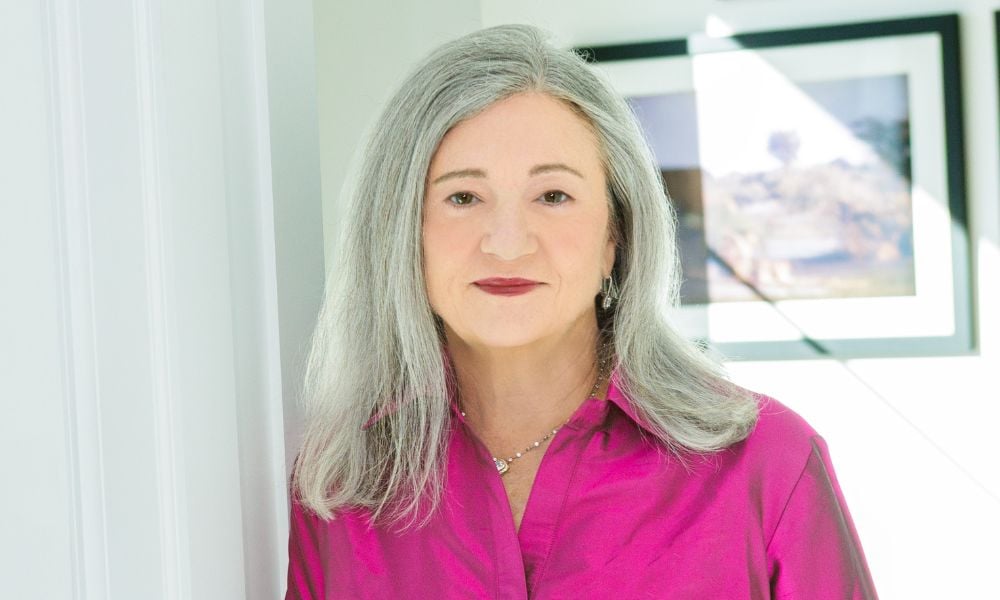
For Melissa Cohn (pictured top), a 44-year mortgage veteran and regional vice president at William Raveis Mortgage, the selloff was investors signaling what they actually wanted and did not get.
"If he's pleased with the way the market is reacting, with a Dow down 800 points and yields up another six basis points, if you're proud of that, then have a party," Cohn told Mortgage Professional America. "The markets are in some ways saying that they don't like surprises and that they would want more transparency or more ongoing transparency from the Fed, which is sort of the opposite of what Warsh wants to provide."
A setup for September
CME FedWatch puts the odds of a September hold at 38.6%, up from 24% the day before the meeting, meaning the market is effectively pricing in a September hike as the more likely outcome.
Warsh pushed back when reporters tried to characterize Wednesday’s vote as a pause.
"So I wouldn't characterize what we did as anything like a pause," Warsh said at the press conference. "I would characterize what we did as a rigorous review of the economic situation. I would characterize it as a review of the big, hard questions, and a view of what our own homework is, to try to resolve those questions in the period ahead."
Cohn said Warsh’s language in the post-decision press conference combined with the three dissenting votes told her what she needed to know about September.
"I would be very surprised if we didn't see a rate hike at the next meeting," she said. "I think that there are people who were in favor of looking towards a hike in the near future, but perhaps remaining on pause for just this meeting."
Cohn said political timing is also a factor, with Warsh needing to act before the calendar gets crowded with pre-election politics.
"If the Fed's going to make a move, it's going to be in September," she said. "It's not going to be later in the fall just before the election. He has to deal with Trump. And we also remember that the Fed tries to remain apolitical."
She said the political backdrop raised a question about whether the hold was influenced by anything beyond the data.
"If the Fed had hiked rates, the markets would have been happier," she said. "Because then you get into the question, was there any political motive to not raising rates?"
More forces pushing yields higher
Warsh noted during the press conference that nominal and real yields had risen materially across the Treasury curve since the last FOMC meeting 42 days ago, calling some of the increases among the most significant in two decades.
Cohn said that pressure is coming from more directions than the Middle East conflict and Fed policy. She said corporate debt issuance from the technology sector is adding to the supply of bonds hitting the market, pushing prices down and yields up.
"All the debt being issued by all these AI companies is pushing prices down and pushing yields up," she said. "So there are other forces beyond the war in Iran and the Fed that are also impacting our rate market. And even though Warsh has been known to have said that he feels that AI will be disinflationary, it's certainly not feeling that way at the moment."
She said the war in the Middle East is the most important variable heading into September and also the least predictable.
"It's obviously going to be data dependent," Cohn said. "A lot of it's going to have to do with what's happening with the war. There seems to be no end in sight to the war. And if there's no end in sight to the war, that means there's no end in sight to inflation because there's no end in sight to lower oil prices."
Despite the market headwinds, buyers are still pushing forward with deals. Cohn said the mortgage market has shown surprising resilience, with buyers returning after a slower stretch.
"If you had asked me 10 days ago, I would have said these higher rates are really putting a big damper on the real estate market," she said. "But in the past week it's gotten much busier again, and people seem to be more accepting of where rates are. We have to, as a nation of borrowers, get beyond the fact that rates are not going back to 3% anytime in the foreseeable future. If we look back over a 50-year time frame, a rate of 6% was actually considered to be an excellent rate.”
Stay updated with the freshest mortgage news. Get exclusive interviews, breaking news, and industry events in your inbox, and always be the first to know by subscribing to our FREE daily newsletter.


