How the 2-year Treasury foreshadows more Fed hikes, but why that doesn't guarantee higher rates
Next week, the Federal Reserve will meet for its next-to-last meeting of 2026. Coming off a September rate hike, the Fed faces speculation that it won’t be the last.
It’s been the 10-year Treasury yield that has caused more pain in the mortgage market than any decision by the central bank. A rapid rise in September led to an early-October high, and the data coming out shows how painful that increase was.
Pending home sales fell to their lowest level in more than 20 years on Tuesday, falling 7.3% from August and 11.3% year over year.
With more Fed hikes on the horizon, some wonder what it might do to mortgage borrowing costs. However, one industry veteran says Fed increases might not push bond yields higher.
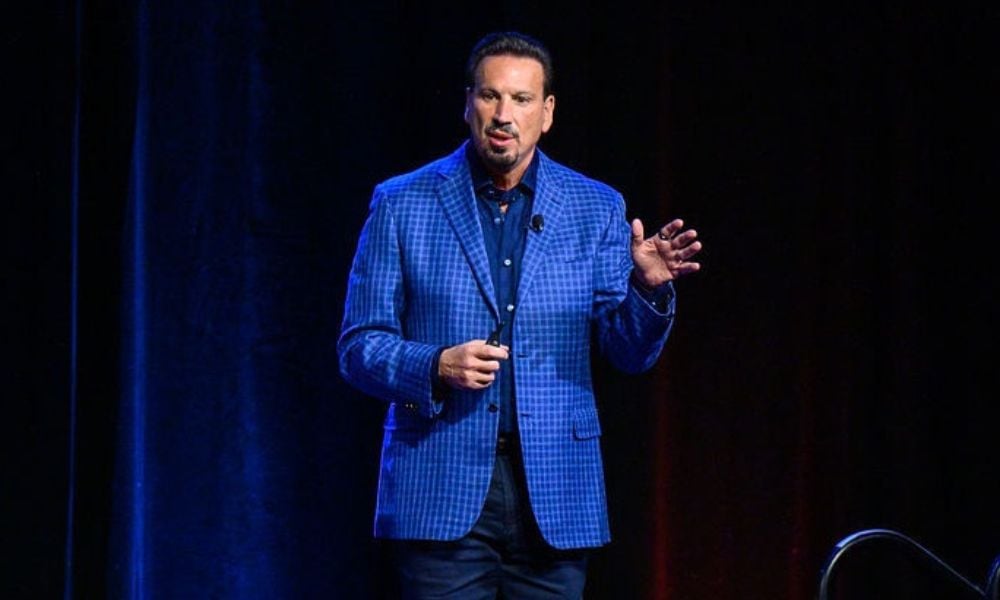
Barry Habib (pictured top), CEO of MBS Highway, thinks future Fed increases could mean lower mortgage rates in the future. He laid out that case at NAMB National, the National Association of Mortgage Brokers' conference in Las Vegas.
"But if the market thinks that by the Fed hiking rates, it slows the economy and slows inflation, you can see a positive move in mortgage rates," Habib said.
Why yields may have peaked
Habib said bonds often move the other way after the press runs a headline about how much worse things can get. The 10-year yield peaked at 5.36% on Oct. 7, and some publications wondered whether bond yields were ready to really take off.
"Now we're at 5.08 on the 10-year Treasury," he said. "Okay, so will this continue? I don't know. But I want to give you a little bit of hope here that there's some possibility that it's gotten so bearish that we may have seen a bottom there."
Yields at these levels also give investors an alternative to stocks that they lacked for most of the past two decades, he said. That is why, in his words, "the cure for higher rates could be higher rates."
Many traders lean on sites like CME FedWatch for clues about the Fed's next move. Habib noted that the implied probability of a hike swung from about 60% to 13% in a single day.
"One of the best ways to understand what the Fed will do is to look at the 2-year Treasury yield," he said. "It's not to look at the odds of a Fed hike on the Fed funds futures. Everyone looks at the Fed funds futures, but that's so volatile."
The 2-year yield has moved ahead of the Fed's decisions in past cycles, he said. The Fed's current target range is 3.75% to 4%, while the 2-year Treasury yield was at 4.783% on Tuesday.
"Maybe October 28th it doesn't, but there's another meeting in December," Habib said. "They probably will hike unless things change dramatically. But that 2-year Treasury yield right now is telling us that the Fed probably needs to raise another half a percent. But it doesn't necessarily mean a bad thing for mortgage rates. They tend to be correlated at times."
The Mortgage Bankers Association (MBA) also expects the Fed to hike in December and again in the first quarter of 2027, with 30-year mortgage rates staying above 7% through next year.
Hikes do little to oil prices, Habib argues, but they raise financing costs for businesses with floating-rate debt, which can then cut headcount and slow growth. He said the Fed could end up tipping growth into a downturn.
"The bond market loves slowdown in the economy," he said. "They love recessions. The bond market loves bad news."
What brokers should watch
By Habib's count, the 10-year Treasury yield dropped to levels that favored refinancing about 10 times over the past three years. Each stretch lasted between one and four days.
His strike-rate approach is built for exactly that kind of window. A broker has a few days at most to act on one.
"If you're asleep at the wheel like many of my competitors, you would miss the opportunity," he said.
Habib also questions whether the job market is as strong as the Fed believes. He expects the August figure to be revised lower again.
"I think it's got some cracks in it, and I believe that this is a bit dangerous for the Fed because if the Fed has been hanging their hat on the labor market, they say, ‘Okay, inflation's too high,’ and they only have really one instrument, a very dull instrument to raise rates," he said.
Clients keep asking when rates will come down. Habib points to oil prices. West Texas Intermediate crude has been above $100 a barrel, about 50% above where it was prior to the conflict in the Middle East, Habib said.
"The answer to that right now really lies in the oil market," he said. "Inflation is not that terrible, and the Fed is taking steps now that more than likely will cause the economy to slow down. That will be a benefit for rates. You get oil to calm down, you can see a lot better interest rate environment."
At 2.3%, the gap between 30-year mortgage rates and the 10-year yield sits above the 1.6% to 2% range Habib calls normal. He ties it to prepayment risk, since sharp moves in yields can go in either direction.
"You have to tell your clients that they've got to be on guard," Habib said. "They've got to expect sudden price swings because of the MOVE index, and the spreads may change as well."
Stay updated with the freshest mortgage news. Get exclusive interviews, breaking news, and industry events in your inbox, and always be the first to know by subscribing to our FREE daily newsletter.