Mortgage holders face higher monthly repayments as RBA responds to hot inflation
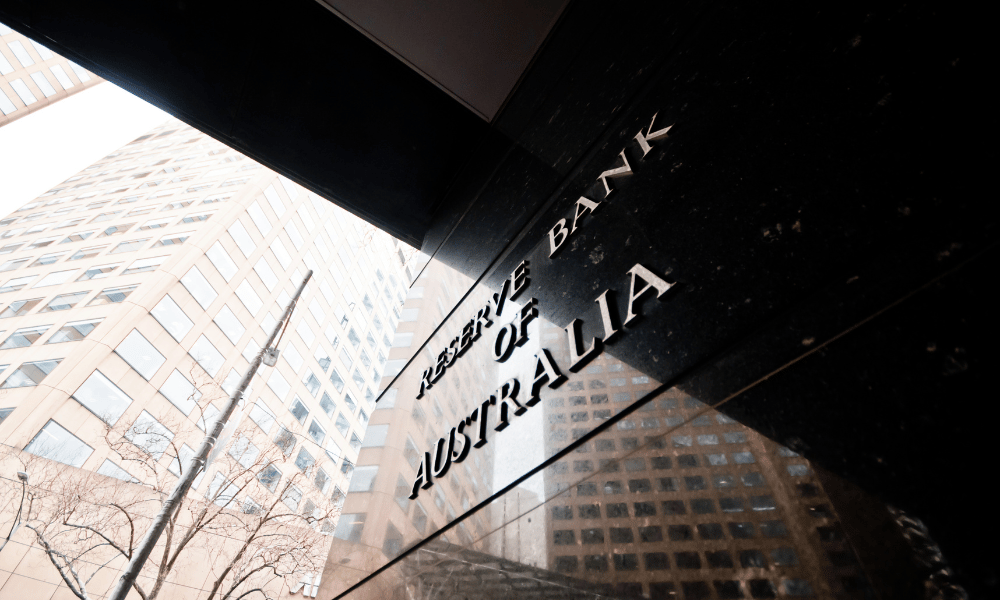
The Reserve Bank of Australia (RBA) has raised the cash rate by 25 basis points to 4.85%, marking the fifth increase this year. It takes the official cash rate to its highest level since 2008. The decision from the Monetary Policy Board was made on a 6-3 vote split.
The increase is expected to add approximately $119 a month to repayments on a $731,000 mortgage, which is the equivalent to the national average new owner occupier loan, if passed on in full.
Anja Pannek, chief executive of the Mortgage and Finance Association of Australia (MFAA), said: “Every household will experience this decision differently. A positive step borrowers can take today is to understand what it means for their repayments, their budget and their plans.
“A mortgage broker can review your current loan, compare alternatives and explain the costs, features and lending requirements that matter to your circumstances.
“You do not have to work through these decisions on your own. A broker is there to help you understand your options and move forward with confidence.”
Commonwealth Bank, Westpac, NAB and ANZ all forecasted the hike after September-quarter inflation came in above the RBA’s forecasts.
The cash rate has now risen by 125 basis points since February, with today’s move following the board’s decision in September to push the cash rate to 4.6%.
In making the decision, the Board said: "Inflation remains elevated and recent data indicate that it is broadly based. The inflation outlook has also been revised materially higher in the updated staff forecasts. This partly reflects higher fuel and other commodity prices affected by the conflict in the Middle East. But domestic capacity pressures are also judged to have been a little tighter than earlier thought. AI-related investment is driving rapid growth in prices for technology-related goods, and inflation in many goods and services remains high.
"Liaison indicates that many firms are experiencing cost pressures and are either increasing the prices of their goods and services in response or looking to do so. Inflation is now forecast to remain elevated through much of 2027 and is not expected to reach the top of the 2–3 per cent target range until late 2027, around three quarters later than previously forecast. This presents upside risks to inflation expectations; some measures are assessed to have risen lately.
"The increases in the cash rate target since the beginning of the year have tightened financial conditions. The economy is slowing, housing prices have fallen significantly and the unemployment rate has risen. The forecasts see growth in output slowing further over the coming year, which is expected to reduce capacity pressures and help return inflation to target. Higher interest rates and falls in housing prices and turnover are expected to weigh on growth in dwelling investment and household consumption. On the other hand, growth in overall business investment is forecast to be stronger in the near term, including data centre-related investment. Employment is expected to continue to grow, but the unemployment rate is projected to rise by more than expected in the August forecasts.
"There continue to be heightened uncertainties about the outlook for domestic economic activity and inflation. The Middle East conflict remains unresolved, and there are scenarios where inflation is higher and activity lower than forecast. Global oil supply disruptions are maintaining upward pressure on global and domestic energy prices and inflation. A period of prolonged uncertainty may also cause growth to be lower overseas and in Australia. To date, however, growth in Australia’s major trading partners has been stronger than expected, as the boost from AI-related investment has outweighed the adverse effects of the Middle East conflict. In Australia, weak productivity growth continues to constrain potential growth and there are uncertainties about the extent and economic effects of the downturn in the housing market."
Stay tuned for the latest reactions from the mortgage broking industry.